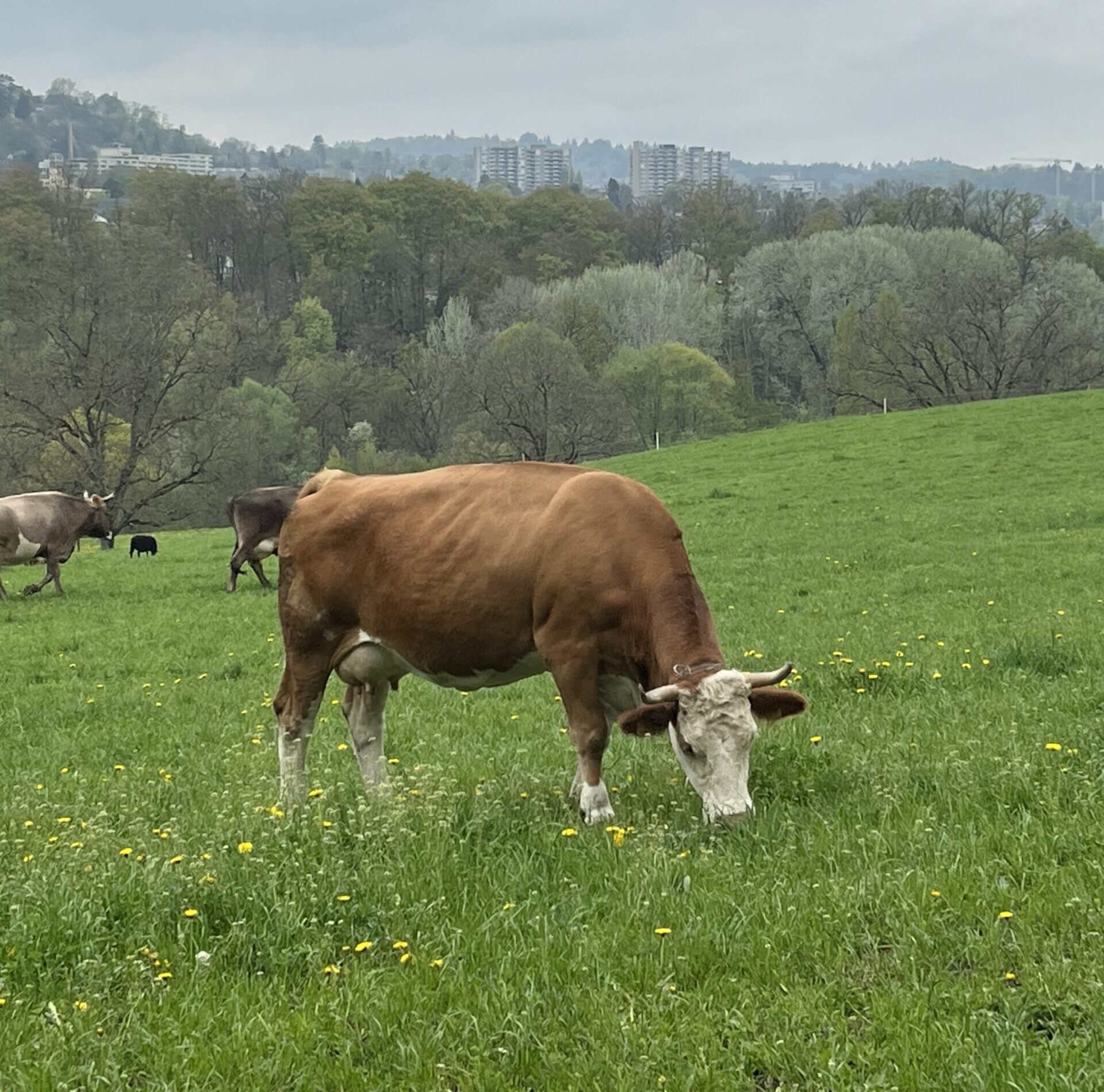
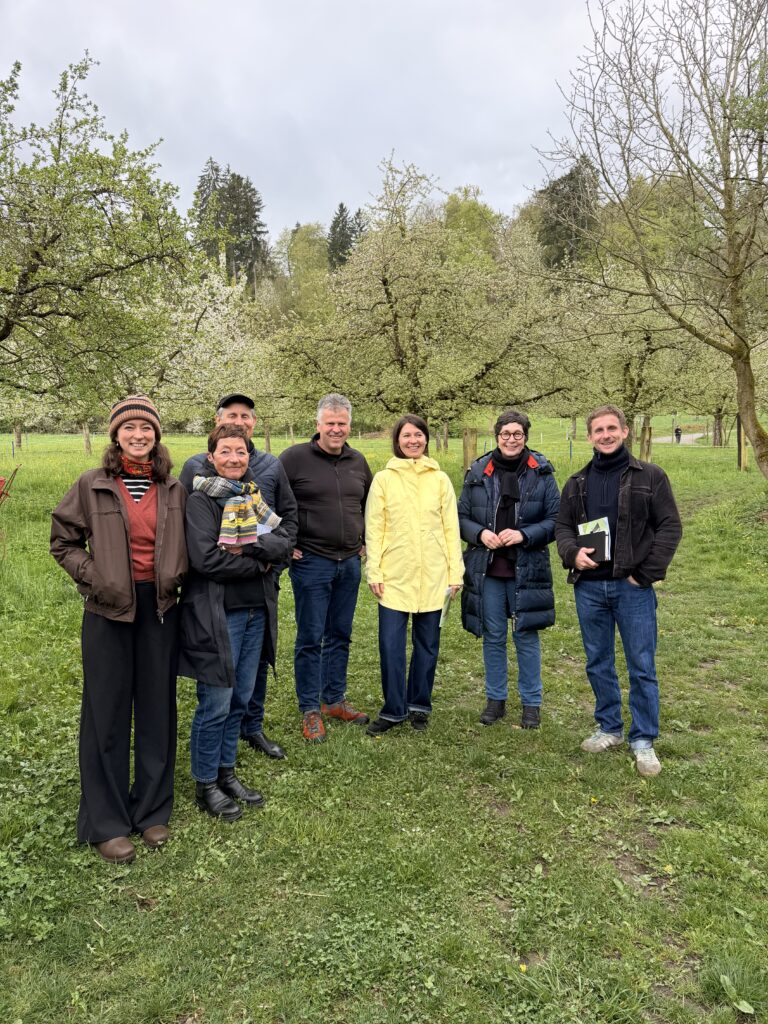
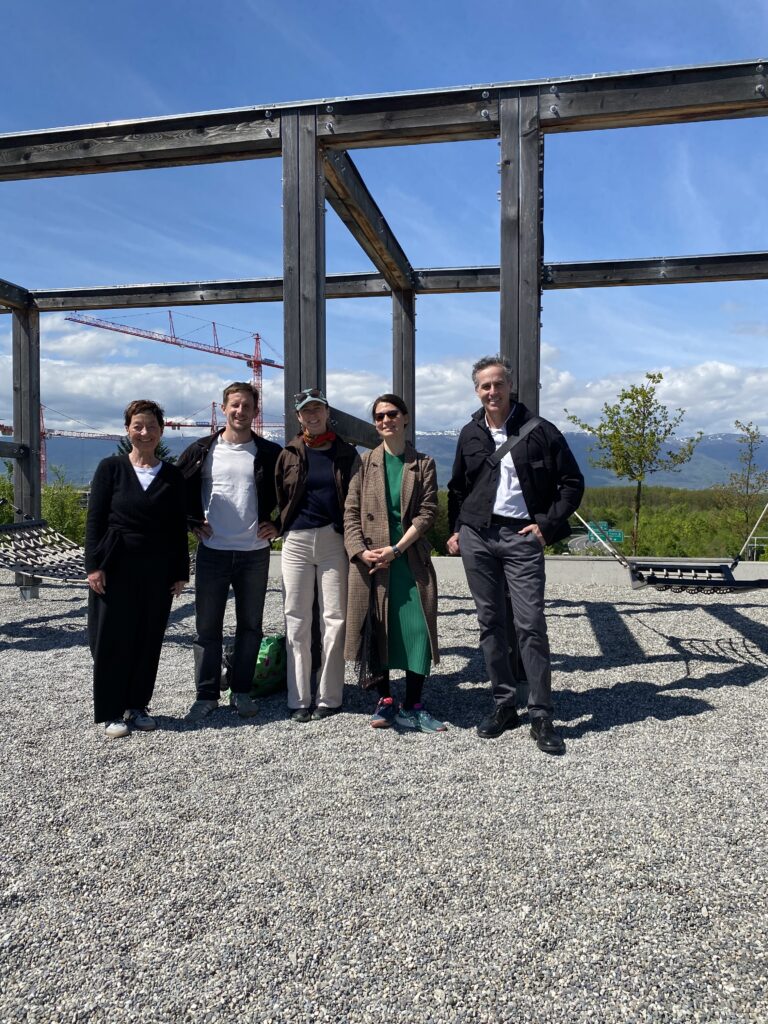
How can agriculture work in densely populated cities? What role do municipalities play, and how can production, recreation, and social use be combined? With these questions in mind, the research team—supported by Ursula Emmert (BUKEA)—set off on an excursion to Zurich, Bern, and Geneva from April 13 to 16, 2026.
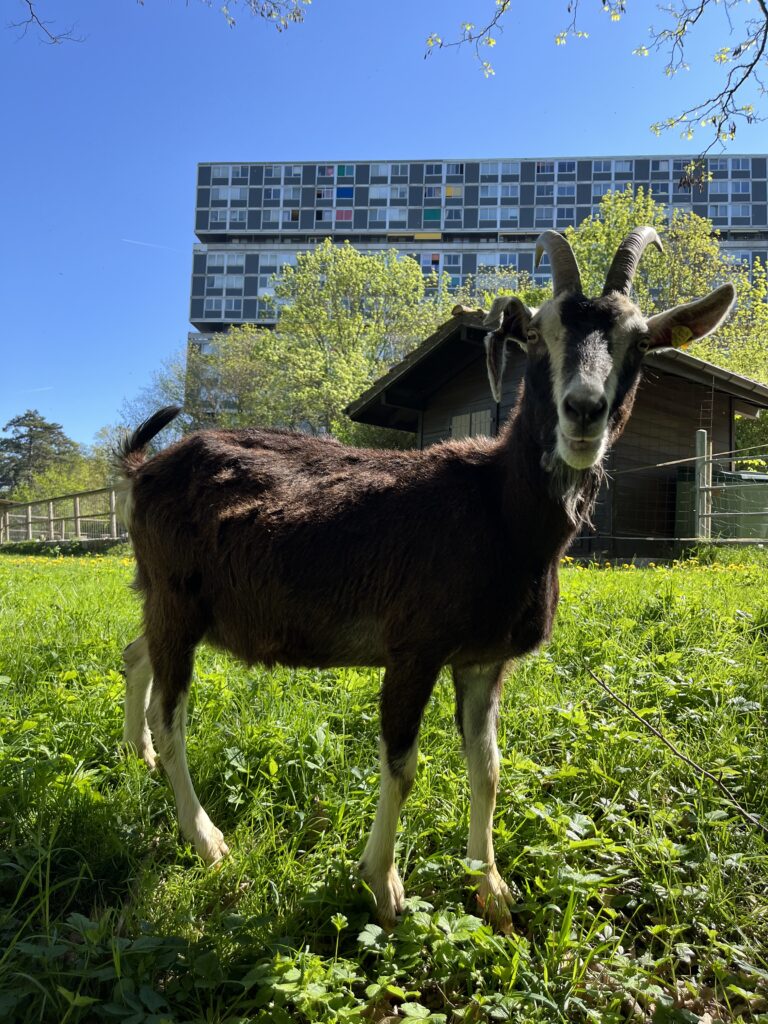
During the trip, various projects and stakeholder groups were analyzed, including municipally organized farms, community-supported gardening initiatives, and agro-urban park concepts. The analysis revealed that urban agriculture in Switzerland is often strategically guided by public authorities. Cities play an active role by providing land, defining framework conditions, and supporting development processes.
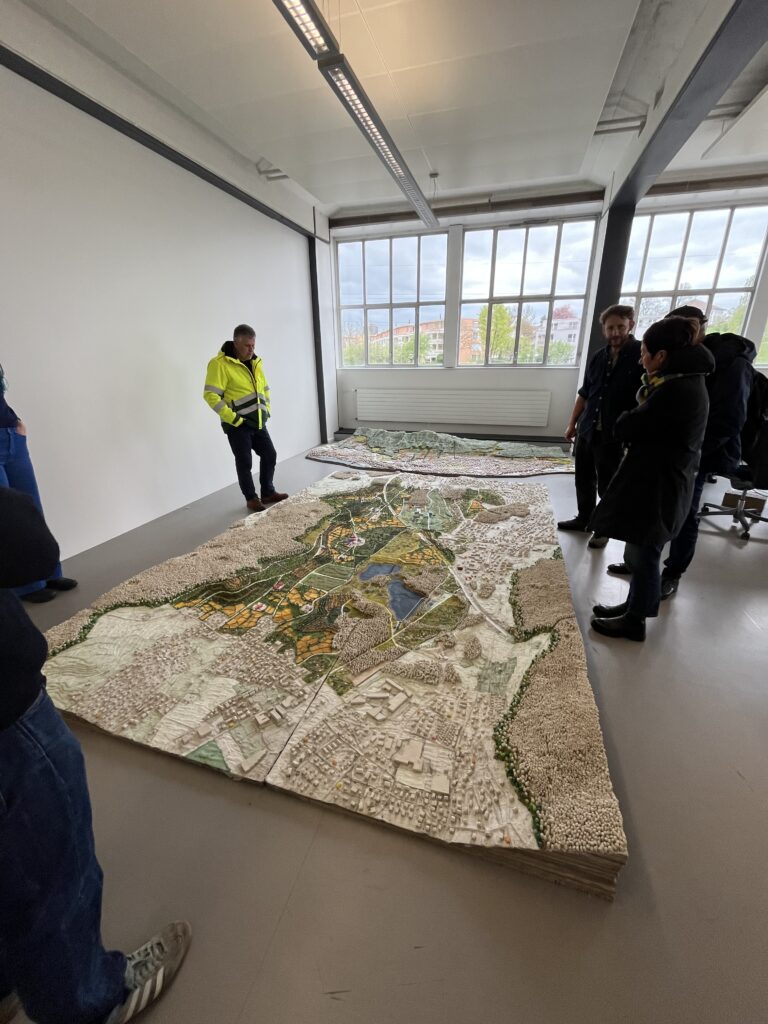
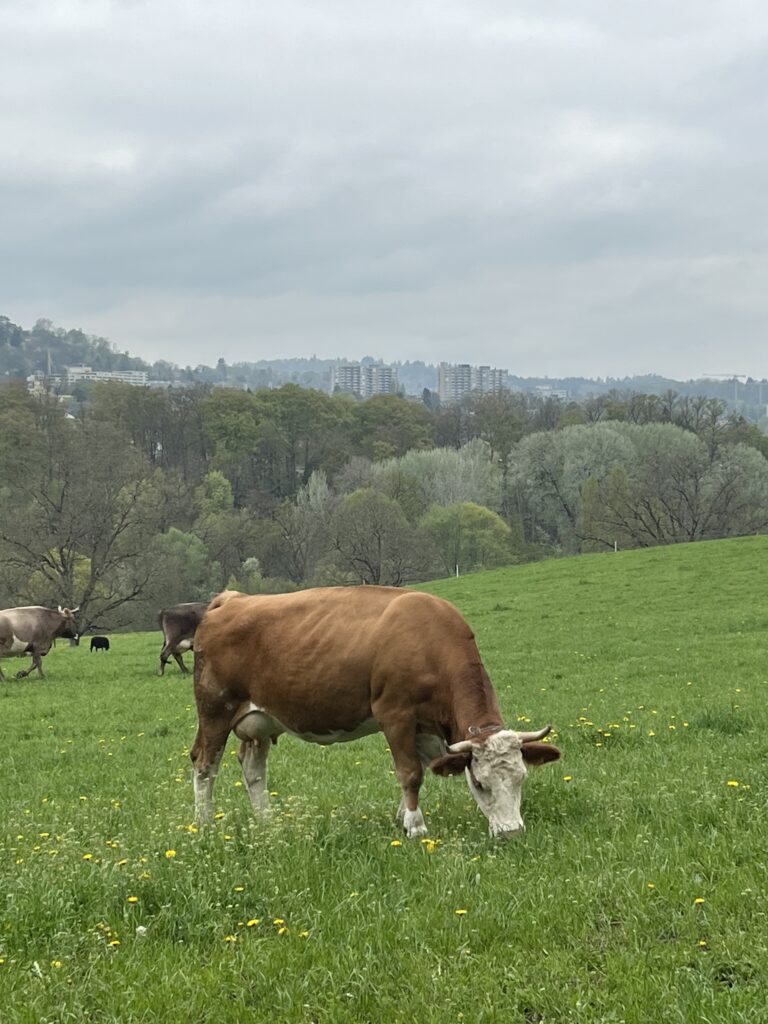
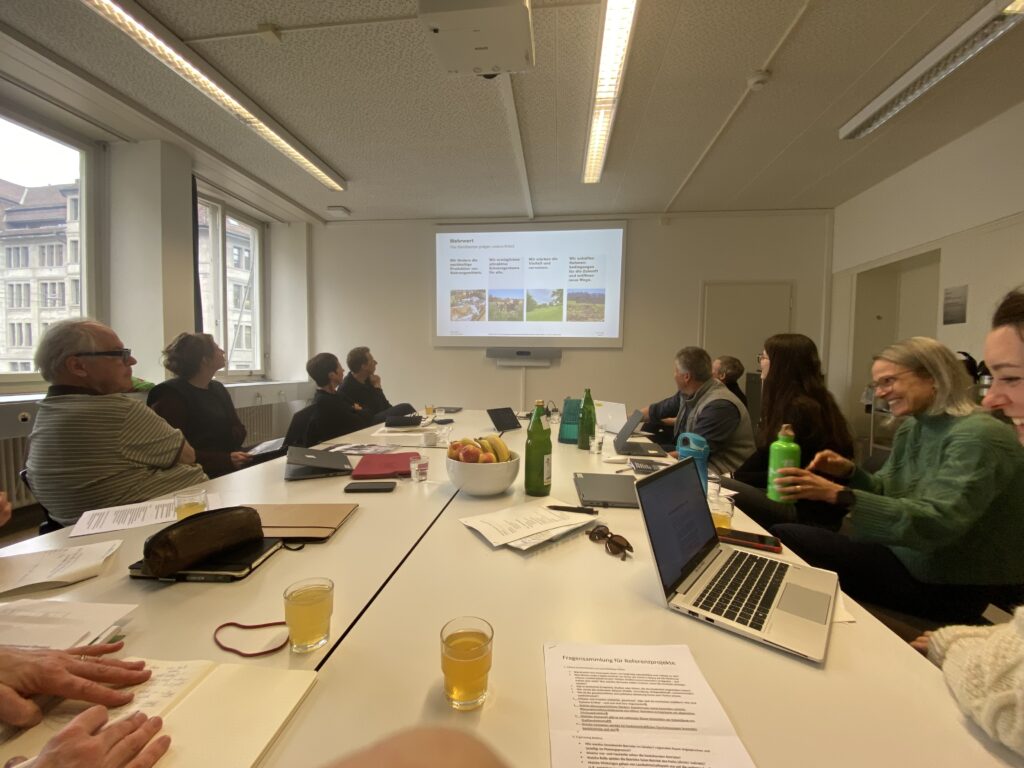
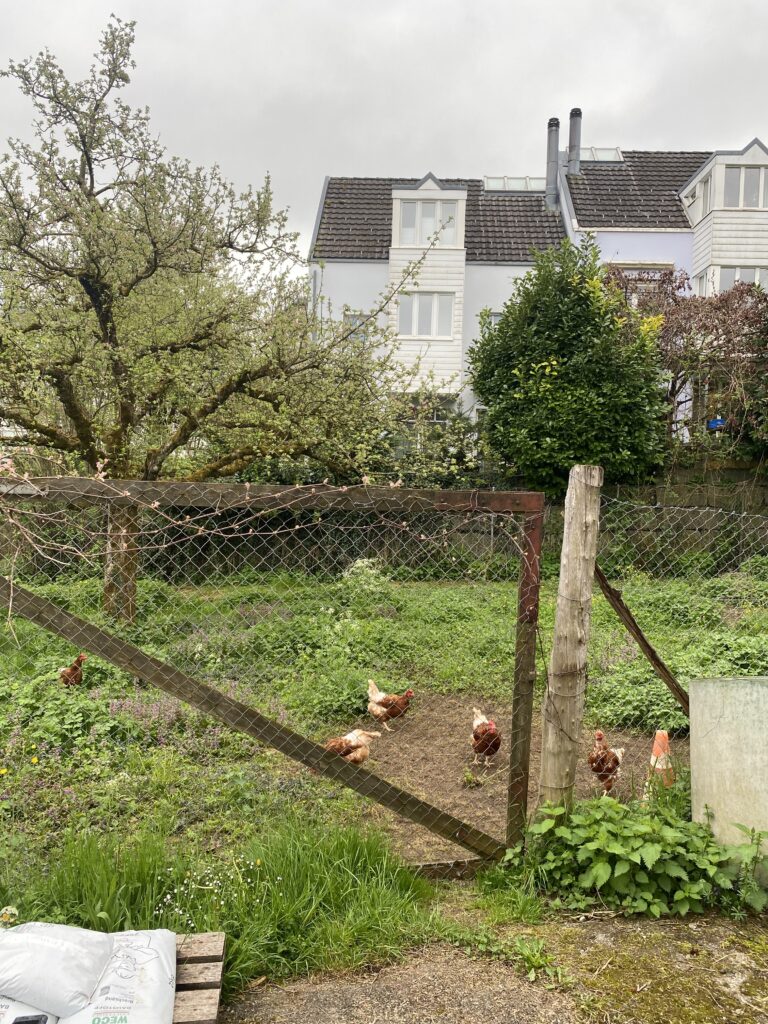
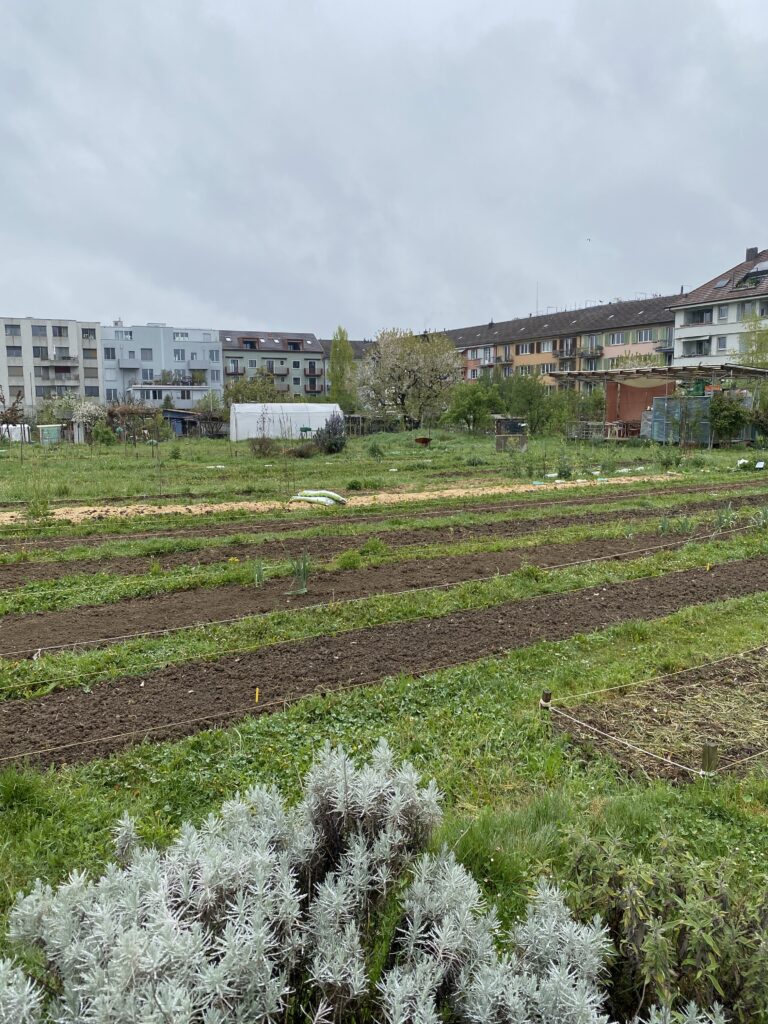
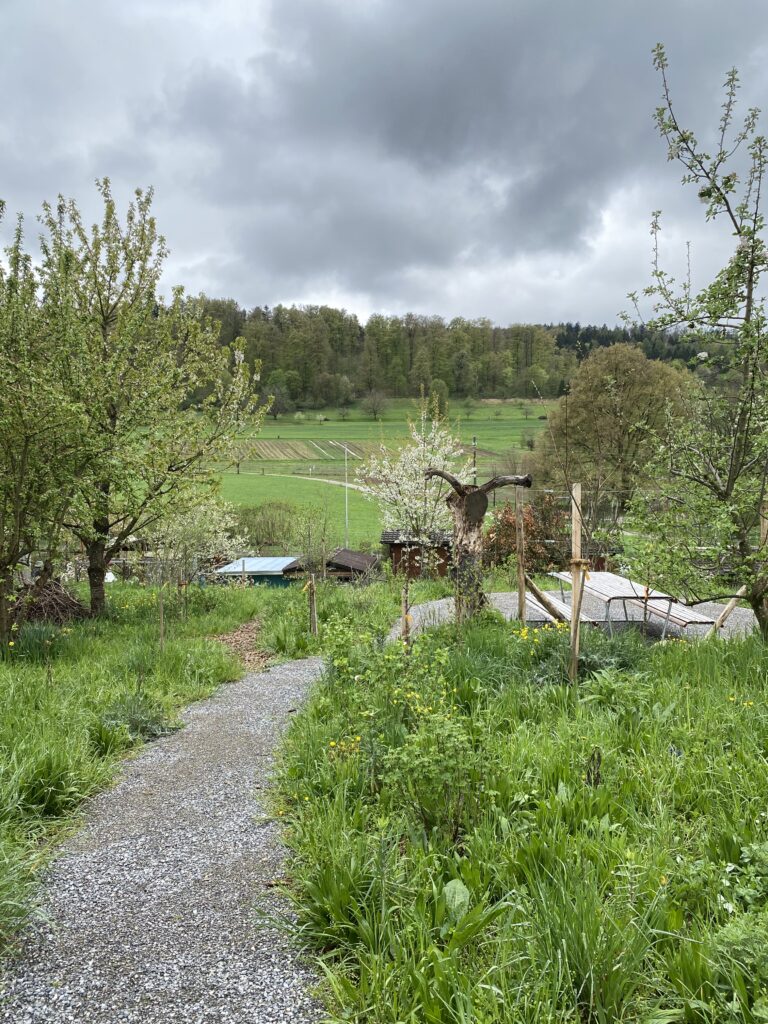
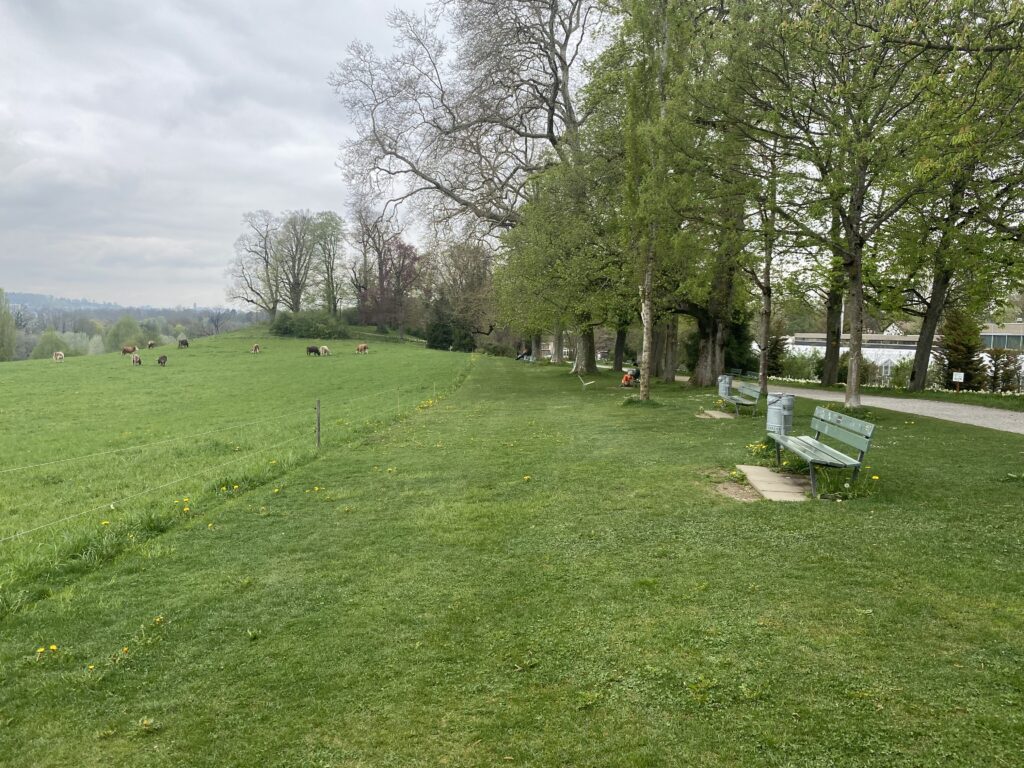
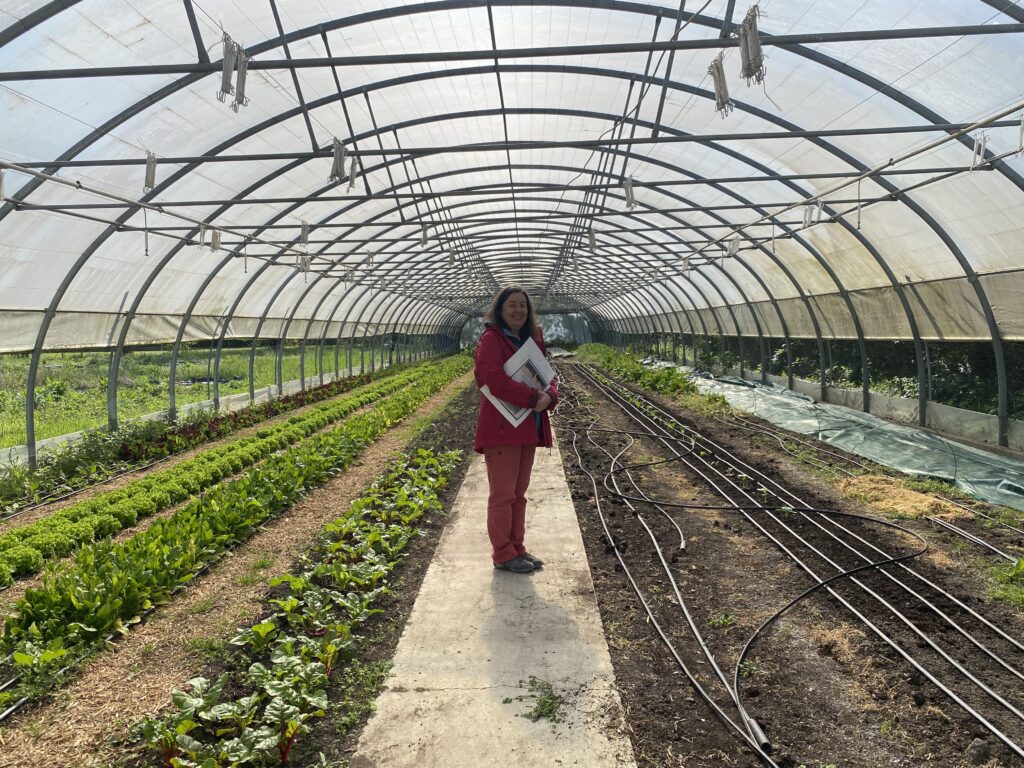
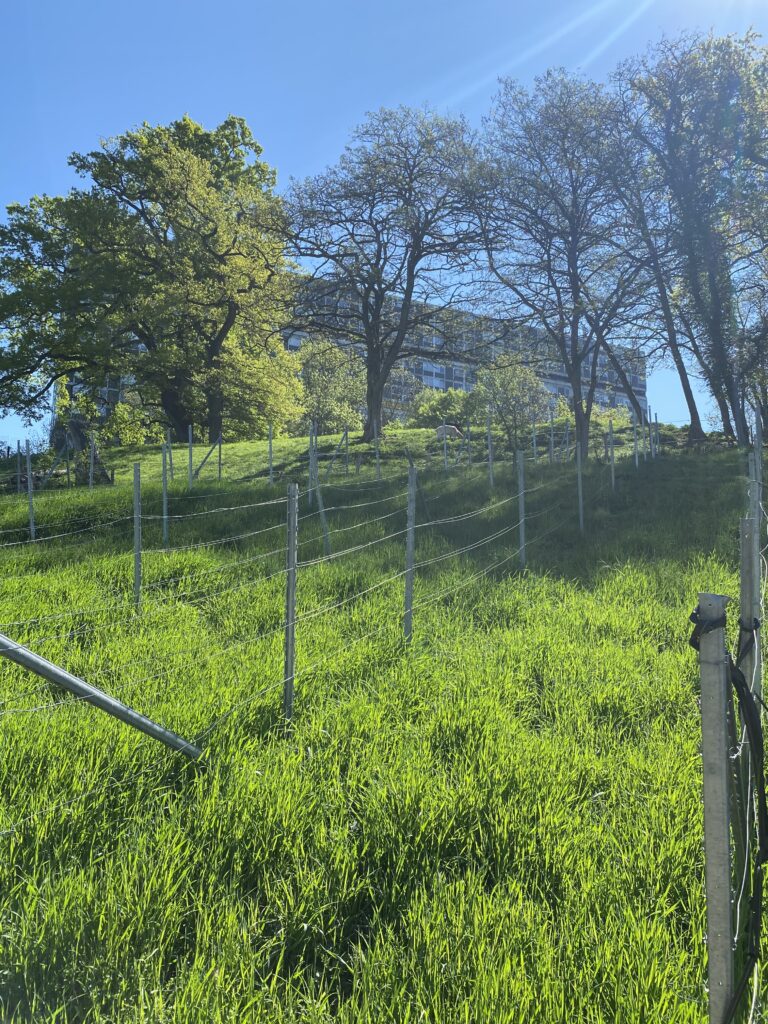
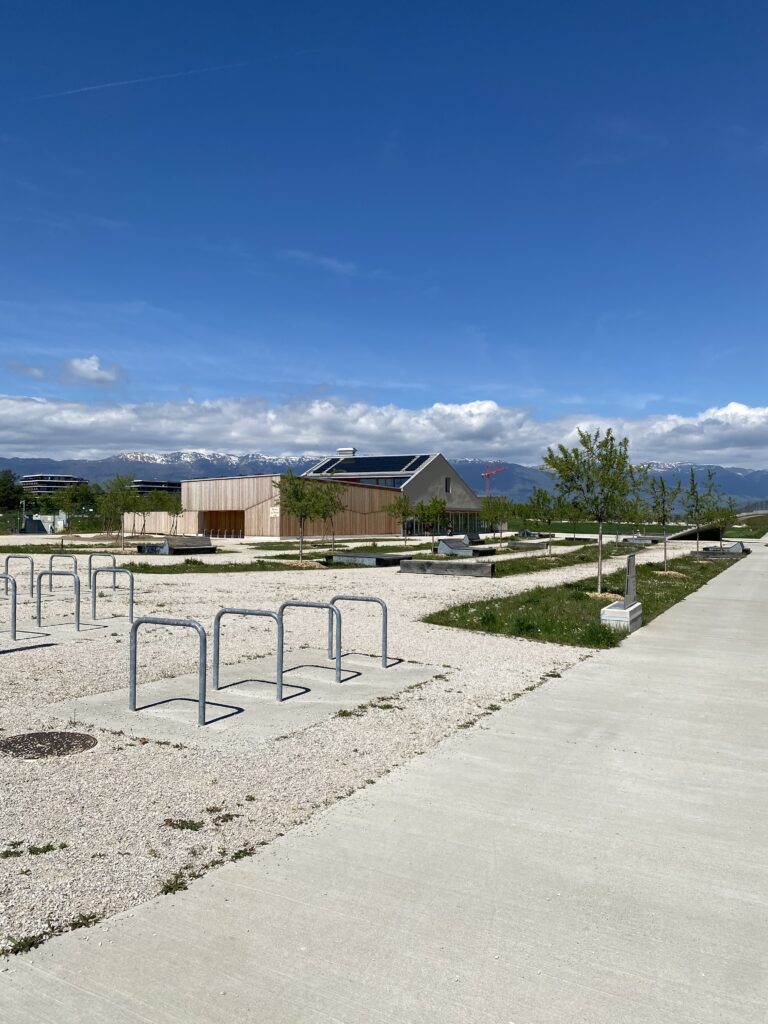
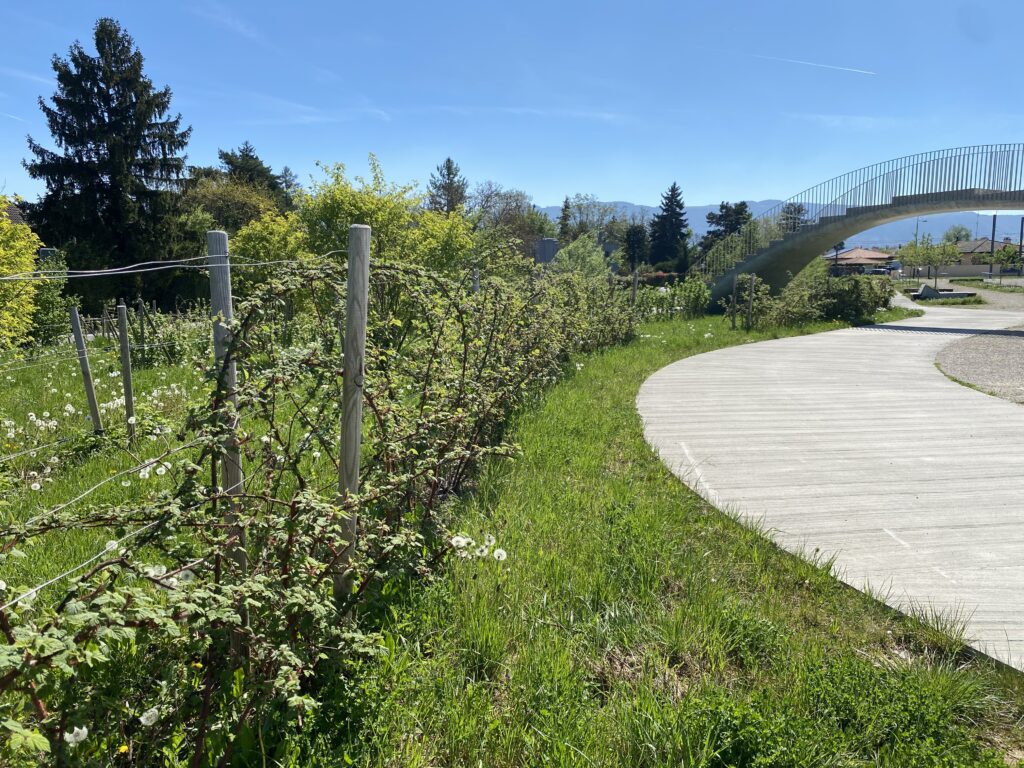
A key finding of the study is the importance of integrated operational concepts: economic viability generally only emerges through the interaction of various elements such as agricultural production, direct marketing, and education and participation programmes. At the same time, areas of tension become apparent—for example between public accessibility and agricultural use—which require differentiated solutions.
The insights gained provide important impetus for the further development of urban agriculture in the German context and underscore its potential as a component of sustainable urban development.